
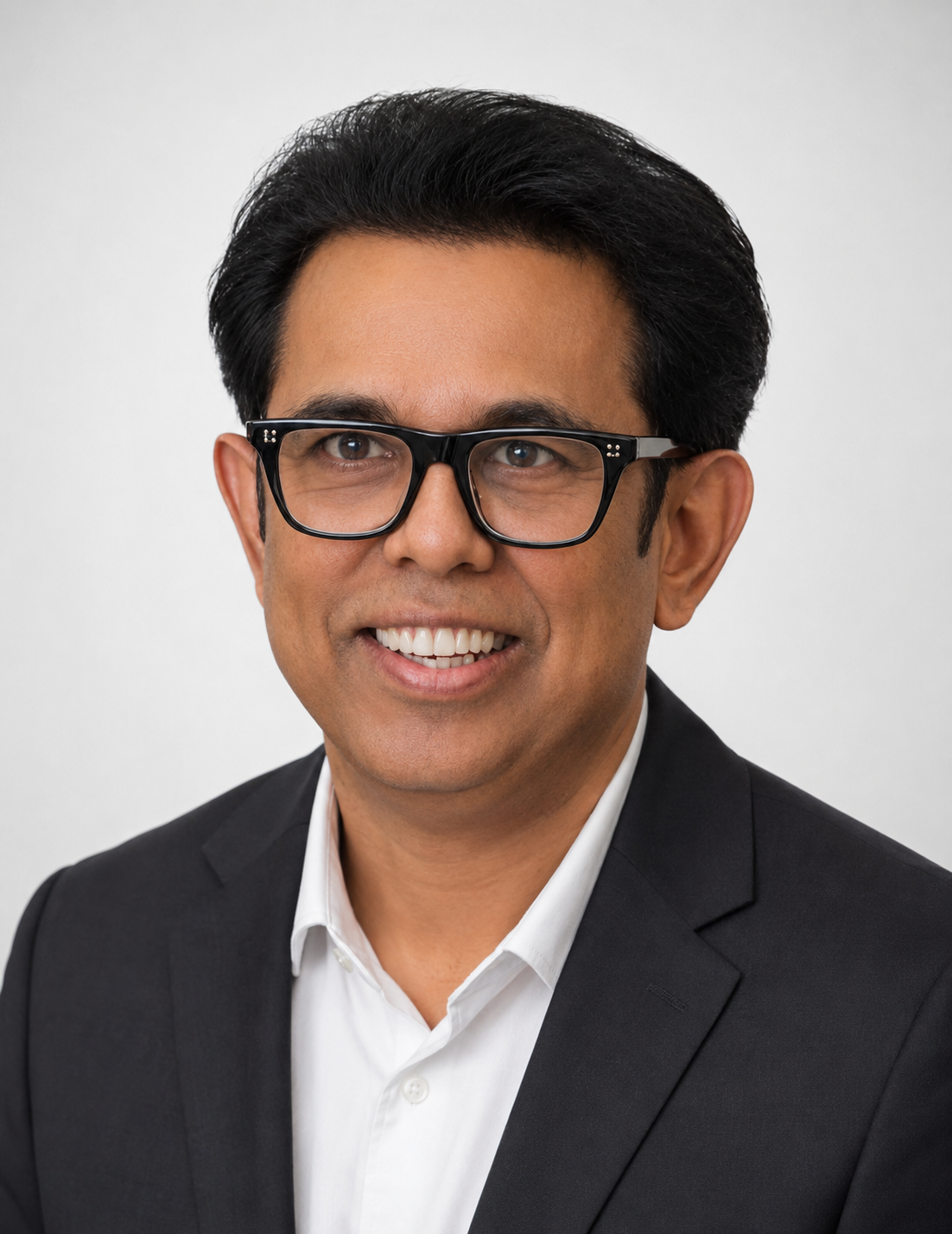
Rohit Kumar Singh is a senior public policy and infrastructure leader with over three and a half decades of experience in government, regulation, public finance, digital governance and large-scale institutional reform. A 1989 batch officer of the Indian Administrative Service (IAS), he has worked at the intersection of infrastructure development, public-private partnerships, technology-enabled governance and citizen-centric service delivery.
His most significant contribution to India’s infrastructure journey came during his six-year tenure in the highways sector, first as Joint Secretary in the Ministry of Road Transport and Highways and later as Member, Finance, National Highways Authority of India. During this period, he played a key role in shaping policy, financing and implementation frameworks for India’s national highways programme. He was closely associated with the revival of public-private partnerships in the road sector, including the evolution and operationalisation of the Hybrid Annuity Model, which helped restore investor confidence at a time when traditional PPP models were under stress.
As Member, Finance, NHAI, he was involved in one of the most important shifts in India’s infrastructure financing architecture: the monetisation of operational public infrastructure. His leadership in the Toll-Operate-Transfer model helped unlock private and foreign capital for brownfield highway assets, resulting in one of the largest foreign direct investments in India’s highways sector at the time. This work demonstrated how mature public assets could be recycled to finance new infrastructure, creating a virtuous cycle of asset creation, monetisation and reinvestment.
His infrastructure experience goes beyond roads. He has worked on the broader questions that define India’s next phase of growth: how to structure bankable projects, build credible PPP pipelines, crowd in patient capital, improve contract design, reduce implementation risk, and use technology to make infrastructure delivery more transparent, efficient and accountable. His public commentary and professional engagement continue to focus on highways, asset monetisation, InvITs, infrastructure governance and the role of private capital in nation-building.
Rohit combines this infrastructure experience with deep technology and governance credentials. With a Master’s in Computer Engineering from Clarkson University USA and an MPA from Harvard University USA, he has consistently advocated the use of digital systems, data and artificial intelligence to improve public outcomes. As Secretary to the Government of India, Department of Consumer Affairs, he led technology-driven reforms in consumer grievance redressal, including e-filing, automated case tracking and AI-enabled support systems. As a Member of the National Consumer Disputes Redressal Commission during 2024-2025, he continued to support AI-enabled and online dispute resolution mechanisms. His earlier work in Rajasthan also reflected this blend of infrastructure, technology and governance. As Secretary, IT and Communication, Government of Rajasthan, he helped design the state’s e-governance roadmap, supported broadband connectivity, PPP-led e-kiosks and technology-enabled public service delivery. As Additional Chief Secretary, Medical and Health, Rajasthan, he helped manage the first wave of COVID-19 using data, GIS-based containment and systems-driven public health response.
An experienced speaker, writer and policy thinker, Rohit has contributed to leading newspapers and public forums on infrastructure policy, digital governance, AI regulation, consumer protection and public finance. He has also trained civil servants and international participants on technology-enabled PPP models and governance reform.
Rohit Kumar Singh’s career brings together three capabilities that are central to India’s next growth phase: building infrastructure at scale, designing institutions that attract private capital, and using technology to improve delivery. His experience spans policy design, project finance, regulatory systems, digital transformation and public-private collaboration—making him a distinctive voice on India’s infrastructure future.
